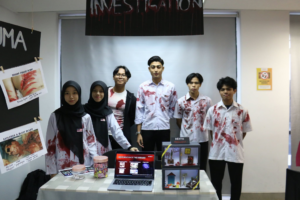
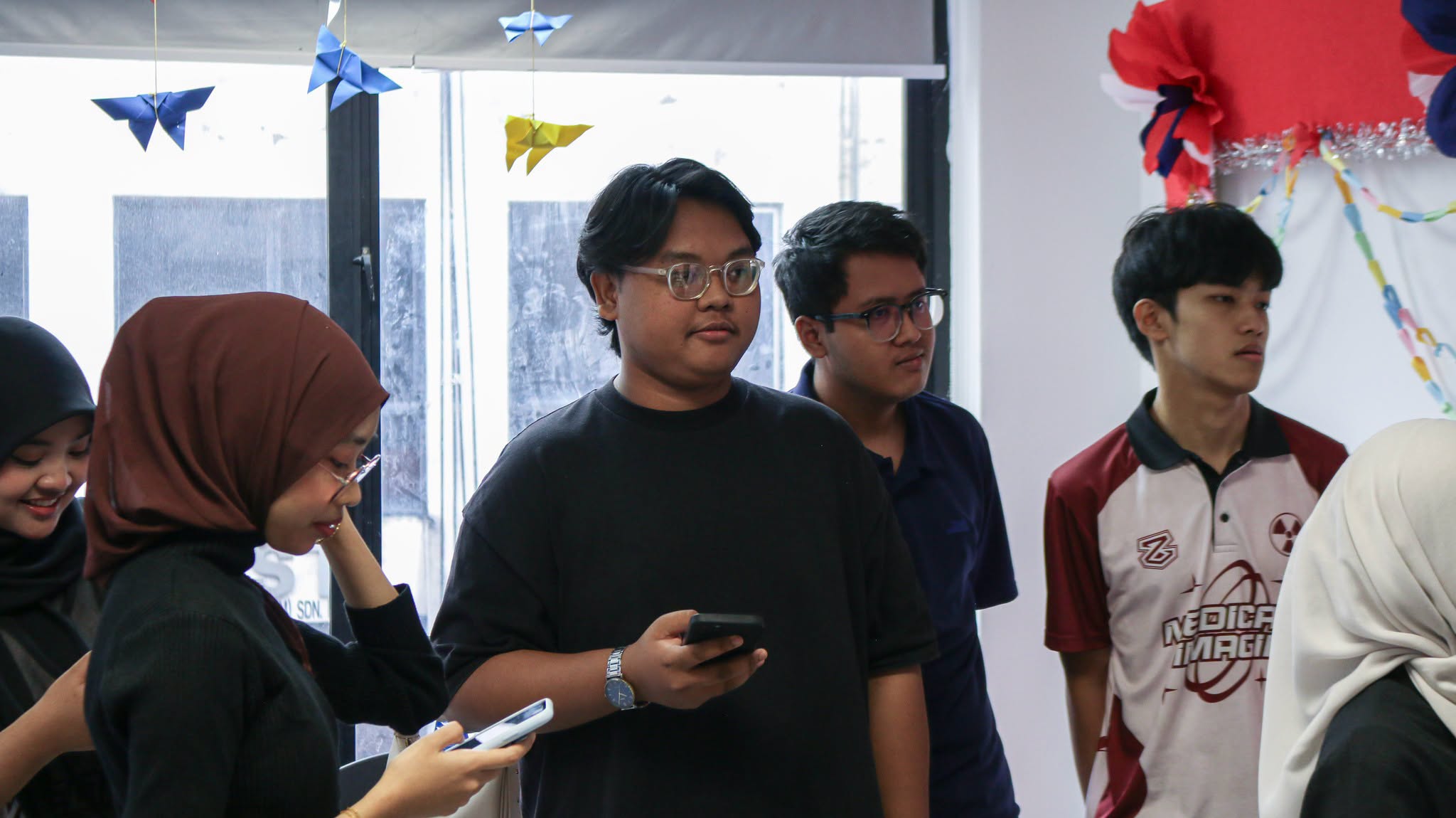
Contrast study in medical imaging was the focus of an educational booth presented by final-semester Diploma in Medical Imaging students during College Activity Week (CAW) 2026 at Vision University College. The activity introduced visitors to an important area of diagnostic imaging while giving students an opportunity to share their knowledge before beginning their internship journey.
Through clear explanations and visual learning materials, the students described why contrast studies are used and how contrast agents can improve the visibility of selected structures in medical images. The booth connected classroom learning with real-world healthcare practice and encouraged visitors to appreciate the careful processes involved in producing useful diagnostic images.
What Is a Contrast Study in Medical Imaging?
A contrast study is a medical imaging examination in which a contrast agent may be used to make certain organs, tissues or blood vessels easier to distinguish. Depending on the examination and the patient’s needs, contrast can support modalities such as X-ray, computed tomography or magnetic resonance imaging.
The improved visibility can help qualified healthcare professionals evaluate anatomical structures and identify findings that might be difficult to see on a standard image. The booth explained the concept in an accessible way while emphasising that the choice and administration of contrast are clinical responsibilities guided by established procedures and patient-safety requirements.
Connecting Image Quality with Patient Care
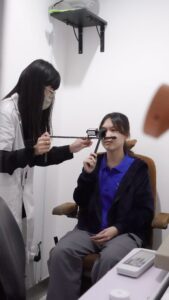
Medical imaging is not only about operating equipment. Practitioners must understand anatomy, positioning, imaging protocols, radiation safety where applicable, communication and patient care. Contrast studies add another layer of responsibility because imaging teams must prepare carefully, follow instructions and observe patients appropriately.
By presenting this topic, the students highlighted how technical knowledge and compassionate care work together. Clear images can support clinical decision-making, but patients also need understandable explanations and professional attention throughout an examination.
Final-Semester Students Build Professional Confidence
The educational booth gave final-semester Diploma in Medical Imaging students a valuable chance to organise technical information and communicate it to a general audience. Explaining a complex subject in simple language helps students strengthen several skills needed in the clinical environment, including:
- professional communication with patients, visitors and healthcare teams;
- accurate use of medical imaging terminology;
- confidence when answering questions and presenting information;
- teamwork in planning and managing an educational activity; and
- the ability to connect theory with practical healthcare situations.
These skills will support students as they move from classroom learning into supervised internship experiences, where professionalism, attention to detail and responsible practice are essential.
Learning Beyond the Classroom at CAW 2026
College Activity Week created a platform for students from different programmes to demonstrate what they have learned. Educational booths allowed visitors to explore unfamiliar fields, ask questions and see how course knowledge can be presented creatively.
For the Diploma in Medical Imaging students, the contrast study booth was both a learning exercise and a milestone in their preparation for clinical placement. It encouraged peer learning, strengthened campus engagement and gave the presenters a meaningful way to reflect on their professional responsibilities.
Preparing Future Medical Imaging Professionals
Vision University College congratulates the students for their effort, teamwork and confident presentation. Activities like this complement formal lessons by helping learners practise communication and apply their knowledge in an engaging setting.
As these final-semester students prepare for internship, the experience gained from explaining contrast study in medical imaging will help them approach the next stage of their education with greater confidence, awareness and commitment to patient-centred care.